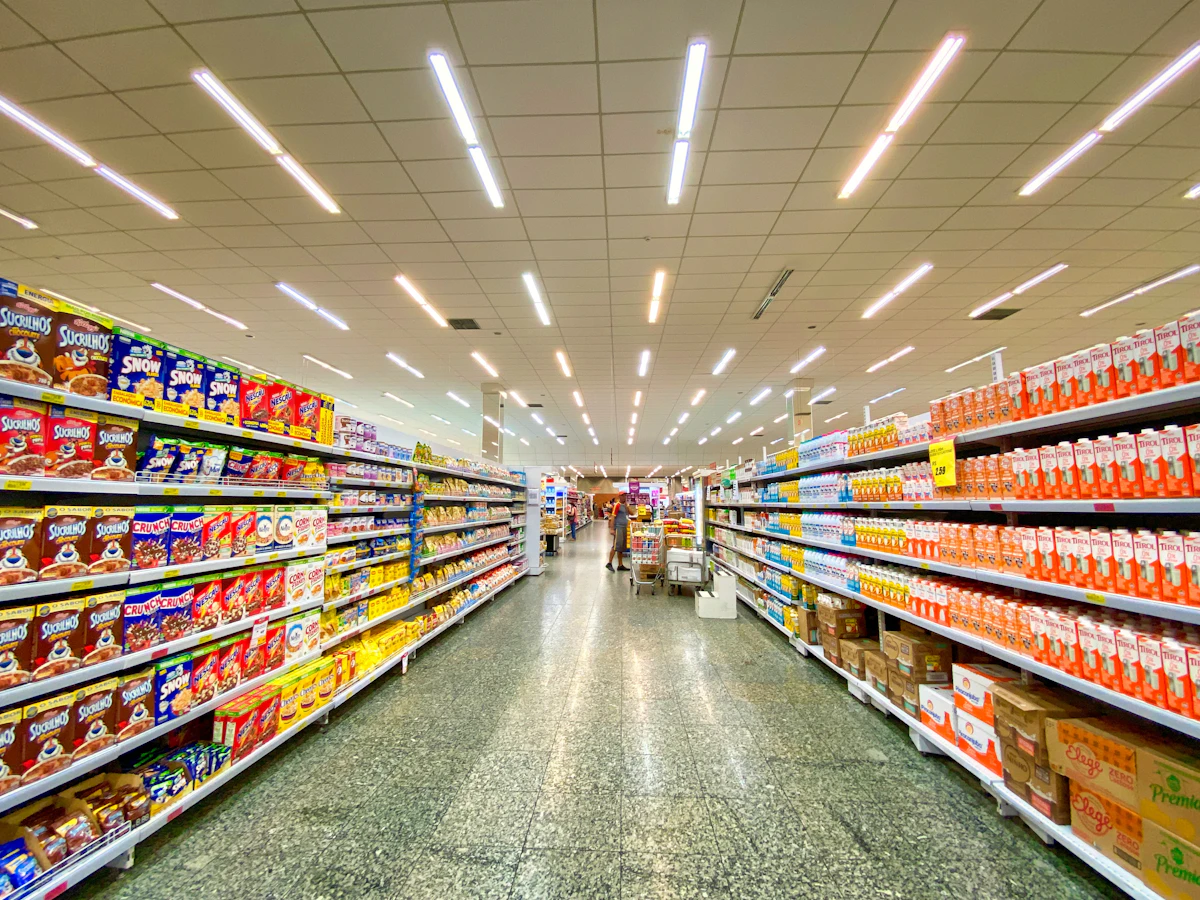
When the barcode fails in a Malaysian supermarket queue
Ten seconds of dim light, a QR that needs a second tap, and a paper list in the cashier’s drawer. The till is where a loyalty app becomes public.
A supermarket till is unkind to design. Bags, a divider, a child, a card terminal, and a cashier who has a target time per basket. The loyalty app is asked to appear in that space.
In till checks we watch the phone, not the poster above the belt. Common stalls: the barcode sleeps after ten seconds and needs a wake; the QR is behind a “show card” button the member does not see while holding a wallet; brightness is too low under yellow shop light; landscape rotation hides the code.
Staff respond with a drawer list — member numbers written during a campaign — or they skip the scan and say the points will “drop later.” Members learn both lessons. Next visit they may not unlock the phone.
Hotel desks and petrol kiosks fail differently. The desk has time but not a scan gun. The kiosk has a gun and no patience for a second tap. The same app is on the phone; the public moment is not.
Head office often believes the scan works because it worked on a supervised Monday morning. Saturday in Petaling Jaya is the review that matters. If you already know your cashiers skip the scan, say so before we visit. The till note is more useful when it can name the workaround instead of discovering it as a surprise in the briefing.